
Customised medical tattoos can also be used to identify patients with allergies, medical conditions, and other important information.
Custom medical tattoos offer an innovative and effective solution for identification in the healthcare industry, ensuring streamlined and secure facility management.
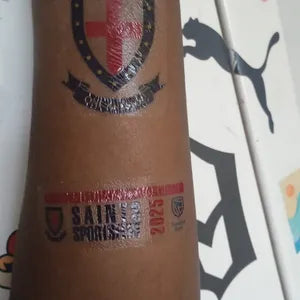
These temporary tattoos are easy to apply, affordable, customizable, and provide a safe, hygienic way to identify patients, visitors, and staff.
They can display critical medical information such as allergies and health conditions, aiding quick and accurate care during emergencies.
TeMaRo Custom Temporary Tattoos specializes in providing reliable, affordable, and customizable temporary tattoos tailored for healthcare needs.
Their products come with a quality guarantee, offering confidence in their effectiveness.
Uses of custom medical tattoos in healthcare include:
-
Hospital Identification: Marking patients, staff, and visitors with department and identity information to ensure proper positioning within hospital settings.
-
Medical Information: Displaying allergies, blood types, and conditions on the skin to facilitate faster medical response in emergencies.
-
Healthcare Events: Identifying staff and volunteers during health fairs and blood drives, easing event management and attendee assistance.
Emerging smart tattoo technology integrates sensors to monitor vital signs like heart rate and temperature remotely, enabling continuous patient care outside traditional settings.
This innovation supports patient recovery at home, chronic condition management, and personalized healthcare delivery.
While challenges like data privacy and costs remain, the potential benefits for patient-centered care are significant.
Custom medical tattoos, especially from trusted providers like TeMaRo, enhance healthcare safety, convenience, and patient outcomes with a practical temporary solution.
In summary, custom medical tattoos are a valuable healthcare tool offering safe, hygienic, and affordable patient identification and monitoring options supported by quality assurance and evolving technology.
They are poised to become integral to modern healthcare practices.










0 comments